The Importance of Fire Safety Certification for Your Building: A Comprehensive Guide
14/10/2024
Article by: Urban City Group

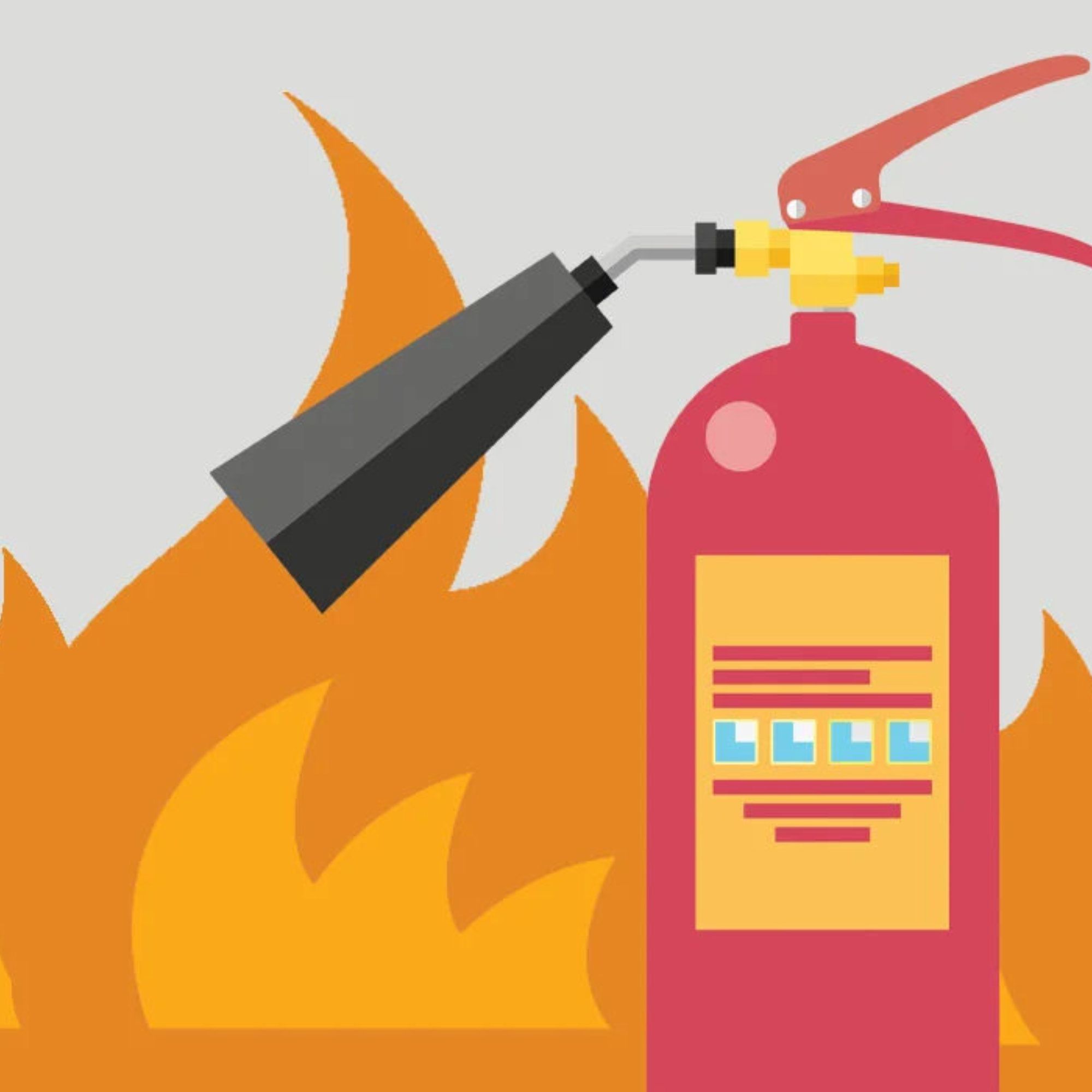
At Urban City Group, we recognize the essential role fire safety plays in protecting lives and property. Fire safety is not just a legal obligation but a critical measure to ensure the safety of all building occupants. The NSW Government has established stringent fire safety certification processes to ensure that all buildings meet national and state fire safety standards. This article highlights the key components of fire safety certification and explains why it's a crucial responsibility for property owners and managers.

What is Fire Safety Certification?

Fire safety certification is the process of ensuring that a building's fire safety measures are installed, maintained, and operational in accordance with the National Construction Code (NCC) and other relevant NSW regulations. It provides documented proof that a building complies with the legal requirements for fire safety, which is essential before the building can be legally occupied or sold.

Whether you are constructing a new building, renovating an existing one, or managing a large commercial space, you must engage an accredited certifier to inspect, approve, and issue fire safety certificates at various stages of the building’s life cycle.

Key Elements of Fire Safety Certification

The NSW Government requires fire safety certification to ensure that buildings meet strict standards for fire safety. There are several key components to the certification process:

  1. Fire Safety Certificate:
    1. A fire safety certificate is a mandatory document required before a building can receive its occupation certificate. This certificate confirms that all fire safety measures—such as fire alarms, sprinklers, smoke detectors, fire exits, and evacuation routes—have been installed correctly according to approved plans and are fully operational.
    2. This certificate must be issued by an accredited certifier who verifies that the fire safety systems meet all relevant building codes and standards.
  2. Annual Fire Safety Statement (AFSS):
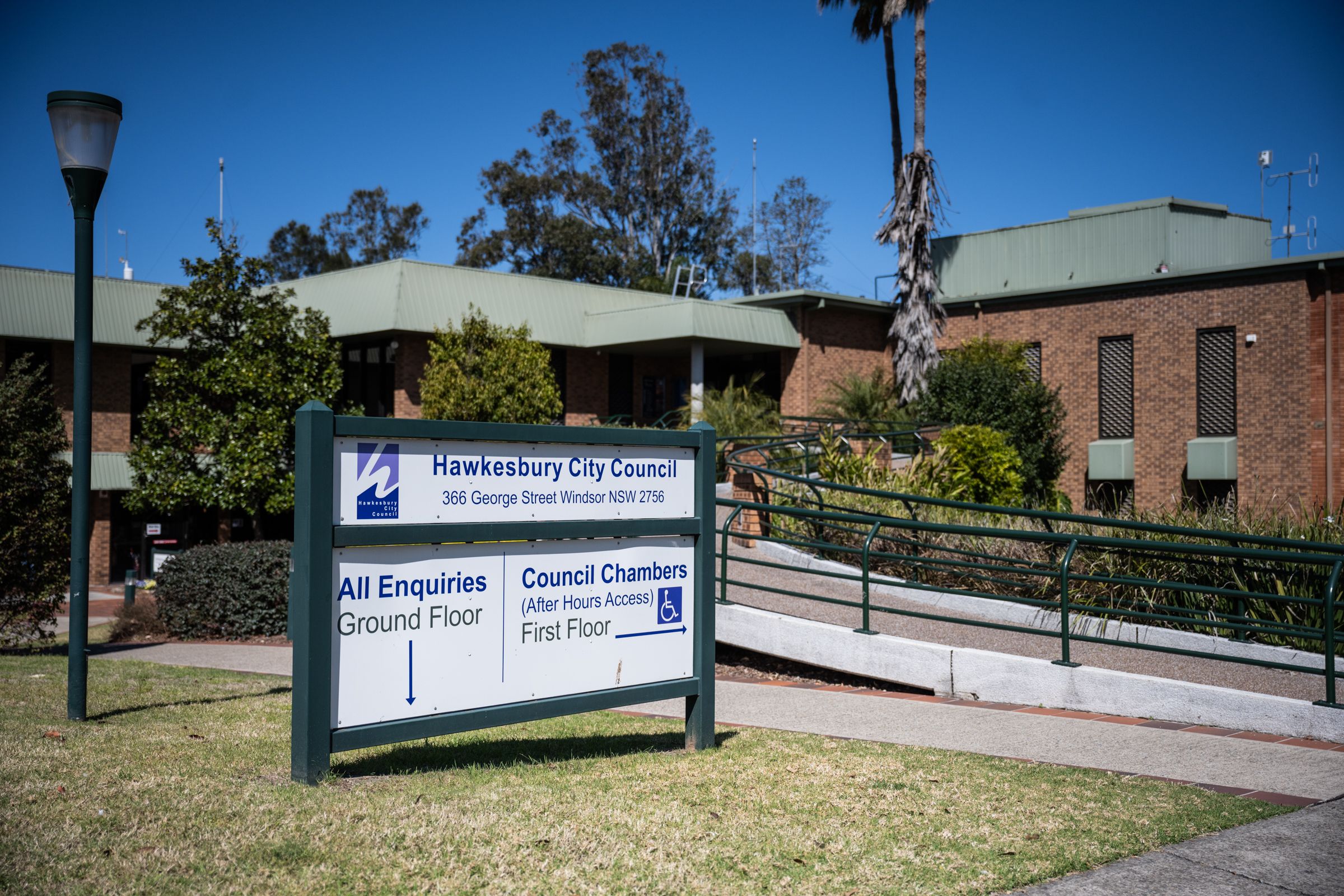
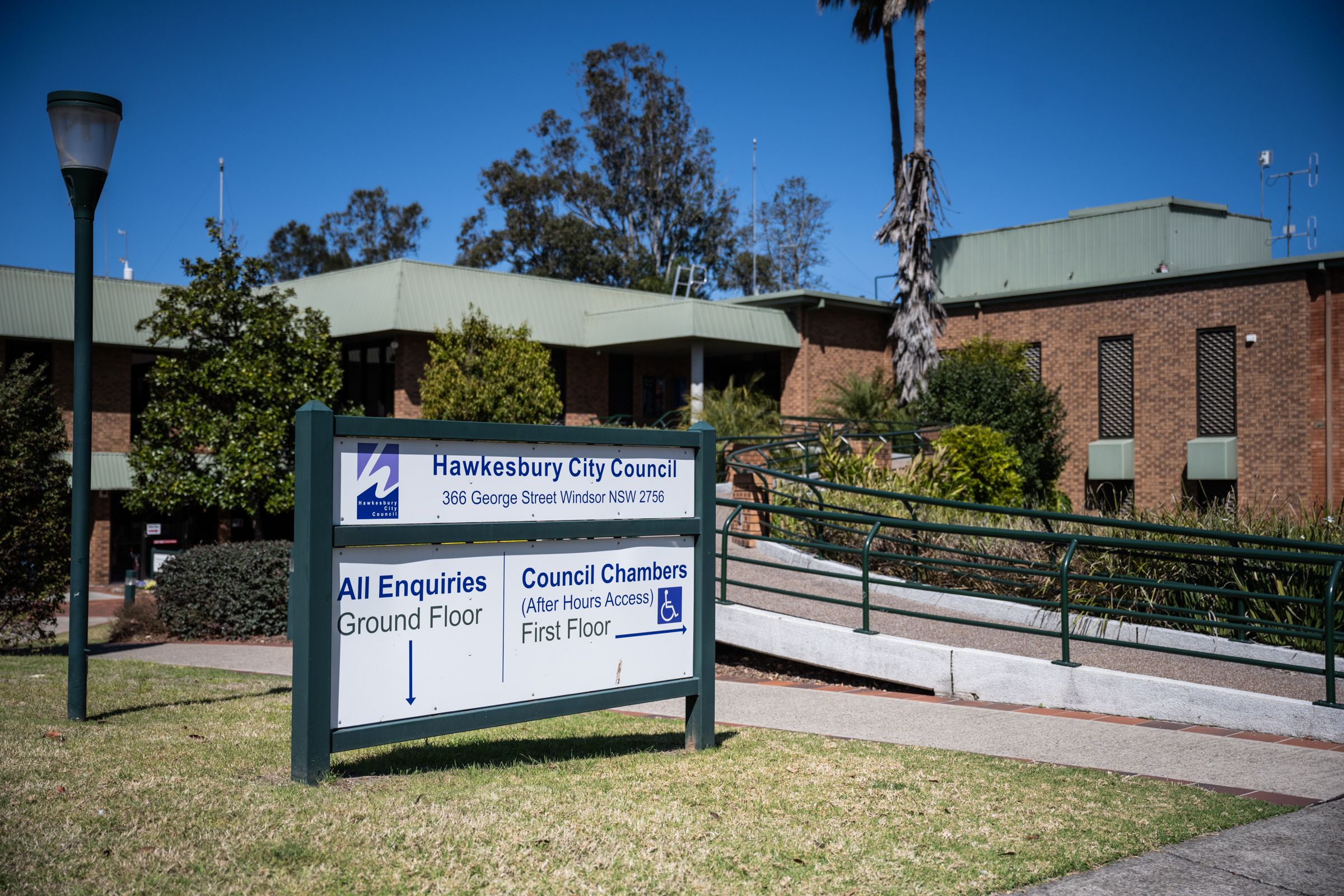
    1. Every year, building owners are required to submit an Annual Fire Safety Statement to their local council and the NSW Fire and Rescue Department. This document certifies that all essential fire safety measures have been inspected and are functioning properly.
    2. An AFSS ensures that fire safety systems—like alarms, fire extinguishers, emergency lighting, and evacuation plans—continue to operate effectively over time. Regular inspections are conducted to confirm that the building remains compliant with fire safety standards.
  3. Accredited Certifiers:
    1. Accredited certifiers are professionals authorized to inspect buildings and issue fire safety certificates. They are responsible for verifying that all fire safety installations comply with the NCC, NSW planning regulations, and the Building Code of Australia (BCA).
    2. Certifiers play a key role in ensuring that fire safety measures are designed, installed, and maintained to the highest standards, safeguarding both lives and property.
    3.  

Why is Fire Safety Certification So Important?

Fire safety certification is more than just a regulatory requirement; it is essential for protecting both people and assets from the devastating impact of fire. Here are several reasons why fire safety certification is so important:

  1. Compliance with Legal Obligations:
    1. Ensuring your building meets fire safety certification standards is critical for compliance with NSW regulations. Failure to comply can result in significant legal penalties, including fines, legal action, or even the inability to occupy or sell the property.
    2. The fire safety certificate is required before a building can receive its occupation certificate, meaning that without this certification, a building cannot be legally occupied.
  2. Protecting Lives:
    1. The safety of building occupants is the primary reason fire safety regulations exist. Fire safety measures, such as alarms, sprinklers, smoke control systems, and clear evacuation routes, are designed to minimize the risk of fire and ensure safe evacuation in the event of an emergency.
    2. Fire-related incidents can have devastating consequences, including loss of life. Proper certification guarantees that all fire safety systems are in place and functioning, offering peace of mind to building occupants and owners alike.
  3. Maintaining Building Value and Insurance:
    1. Ensuring your building complies with fire safety certification also helps maintain its value. A certified building is seen as more secure, compliant, and safer for occupancy.
    2. In many cases, insurance companies require valid fire safety certification as part of their policy conditions. Without this, property owners may face difficulties in securing adequate insurance coverage or making claims in the event of fire damage.
  4. Ongoing Maintenance and Safety:
    1. With the annual fire safety statement (AFSS), building owners are held accountable for ensuring that all fire safety measures are regularly tested and maintained. This is critical for preventing fire-related hazards from developing over time.
    2. Through regular inspections and maintenance, potential issues with fire systems can be identified and rectified before they become serious risks.
  5. Reduced Liability:
    1. Proper fire safety certification helps protect building owners from liability. In the event of a fire, certified systems that are regularly maintained can reduce the risk of legal claims or penalties related to negligence.

Urban City Group: Simplifying the Fire Safety Certification Process

At Urban City Group, we specialize in guiding building owners, developers, and property managers through the fire safety certification process. We understand that navigating the requirements can be complex, and we’re here to make it as seamless as possible.

Our services include:

  1. Consultation: We assess your building plans to ensure that fire safety measures are adequately integrated into the design.
  2. Certification Coordination: We work with accredited certifiers to ensure timely inspections and certification approvals, helping to keep your project on track.
  3. Ongoing Compliance: We provide support for annual fire safety statements, ensuring that all fire safety systems are inspected and maintained according to NSW standards.

Our mission is to ensure that all buildings we certify meet the highest standards of fire safety, ensuring compliance while protecting lives and property.

Conclusion

Fire safety certification is an essential process for any building project. From the initial installation of fire safety systems to ongoing maintenance and inspections, ensuring compliance with NSW fire safety regulations helps protect lives, assets, and the long-term value of the property. At Urban City Group, we’re committed to guiding you through this process, ensuring that your building is safe, compliant, and ready for occupancy.

To learn more about NSW fire safety certification, visit the NSW Government’s Fire Safety Certification page.